
01
Identify
The player enters the environment and scans in with their individual ID band. The system instantly loads their profile, history and Level of Pressure settings.


Goal Station drills strengthen the connection between the visual cortex and the motor system, training Perceive, Process and React as one continuous action.
Expertise is the result of structural changes in the brain. By training the Perceptual-Cognitive-Motor loop in a single action, we achieve Neural Efficiency: reduced cortical activation that frees the prefrontal cortex for higher-order tactical reasoning.
We drive neuroplasticity through high-intensity repetition, thickening the neural pathways that govern game-speed execution.
A five-step loop, repeated every session, from ID band to individualised plan.
The player enters the environment and scans in with their individual ID band. The system instantly loads their profile, history and Level of Pressure settings.

The environment activates. Interactive rebound panels and dribbling gates trigger randomised cognitive chaos scenarios tailored to that player's level.

The player performs the Perceive-Process-React loop. Every touch, scan and reaction latency is captured by high-frequency sensors.

Data transmits in real time to the Goal Station dashboard, updating the player's 4-Axis Spiderweb and generating an objective performance scorecard.

Coaches use these insights to build individualised training plans, while players compete on global leaderboards to drive engagement and retention.

Every action is built from three parts, trained as one: Perceive, Process, React. The Decision Atom is the smallest unit of match execution, and the one Goal Station is built to train.
Anchored in the peer-reviewed research of Jordet (2020) and Del Percio (2009): the industry's first objective framework for measuring the Decision Atom.
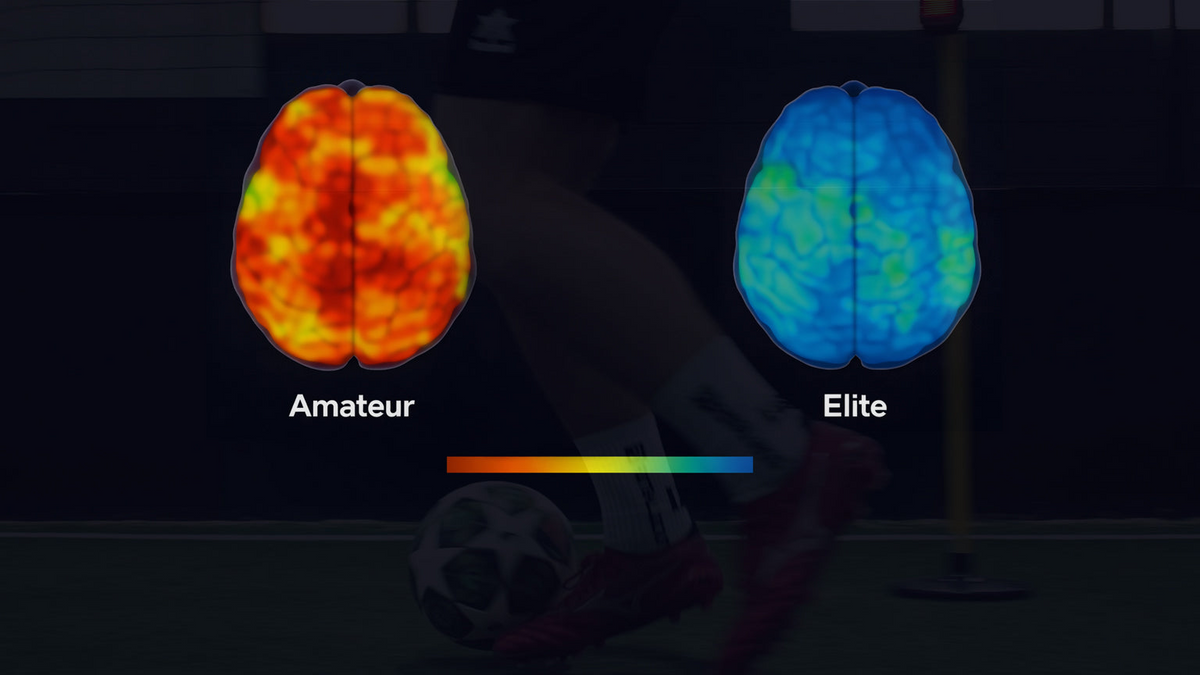
EEG research shows elite athletes exhibit "quiet" cortical activation during complex tasks. Our environments automate technique to create that effect.
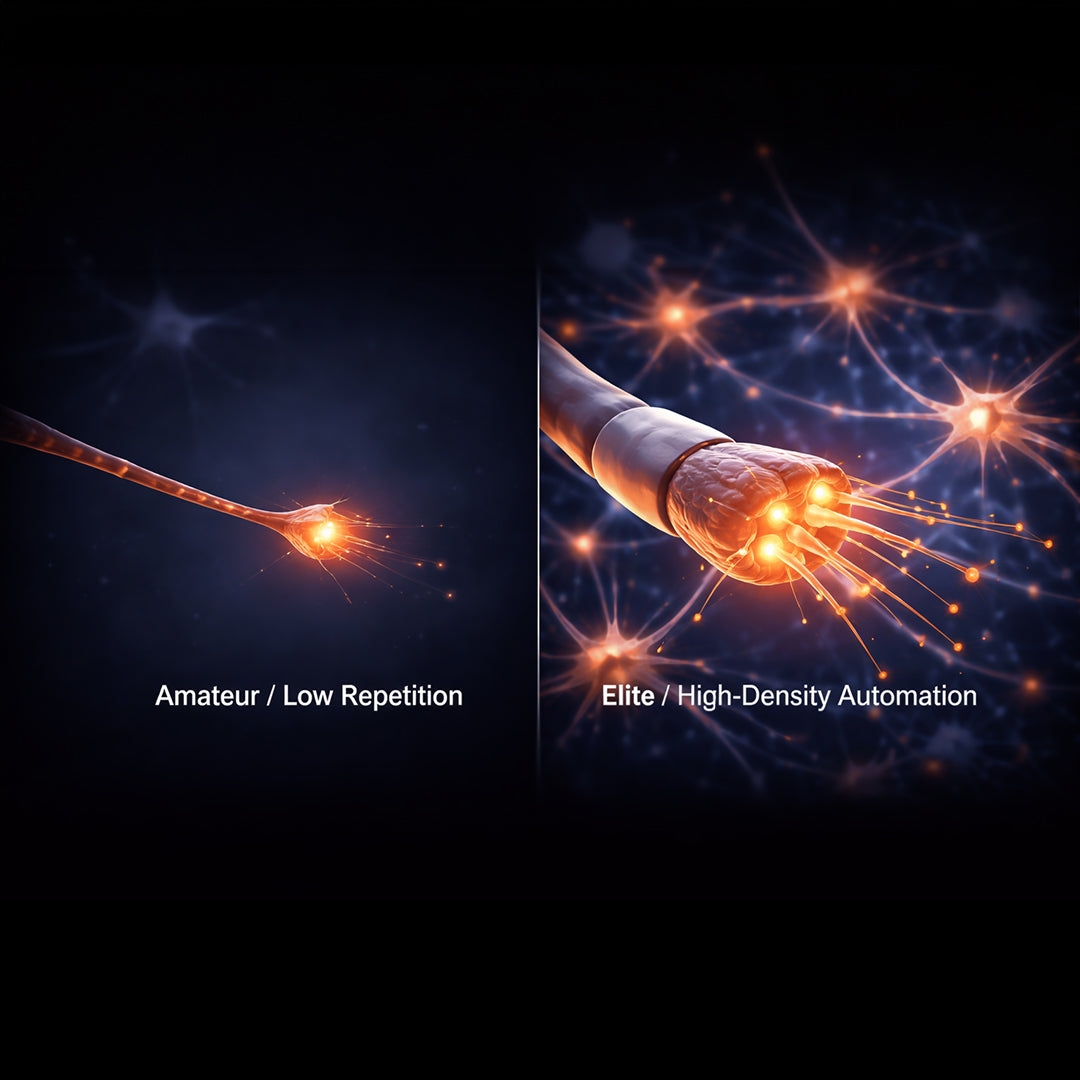
High-intensity repetition thickens the neural pathways that govern game-speed execution.
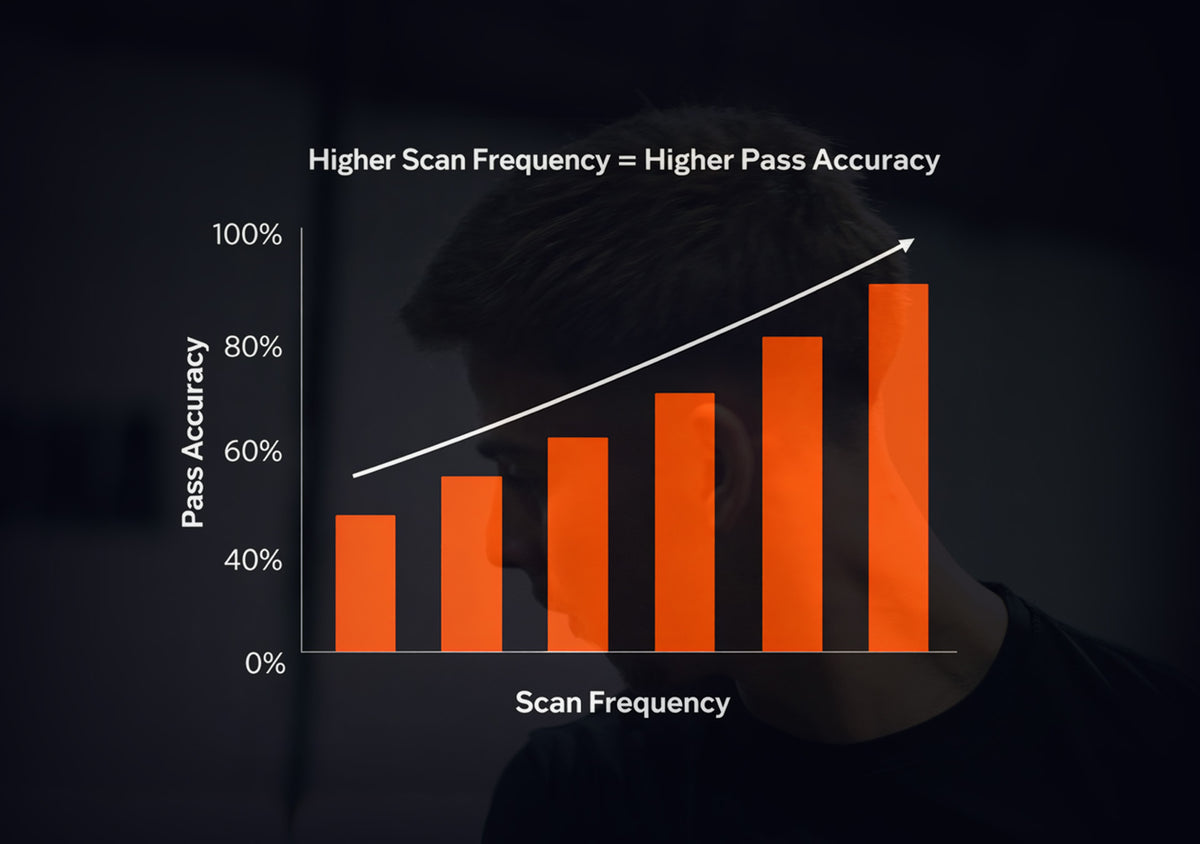
Research links scanning frequency to pass completion in the Premier League. Goal Station forces the rhythm that defines elite perception.
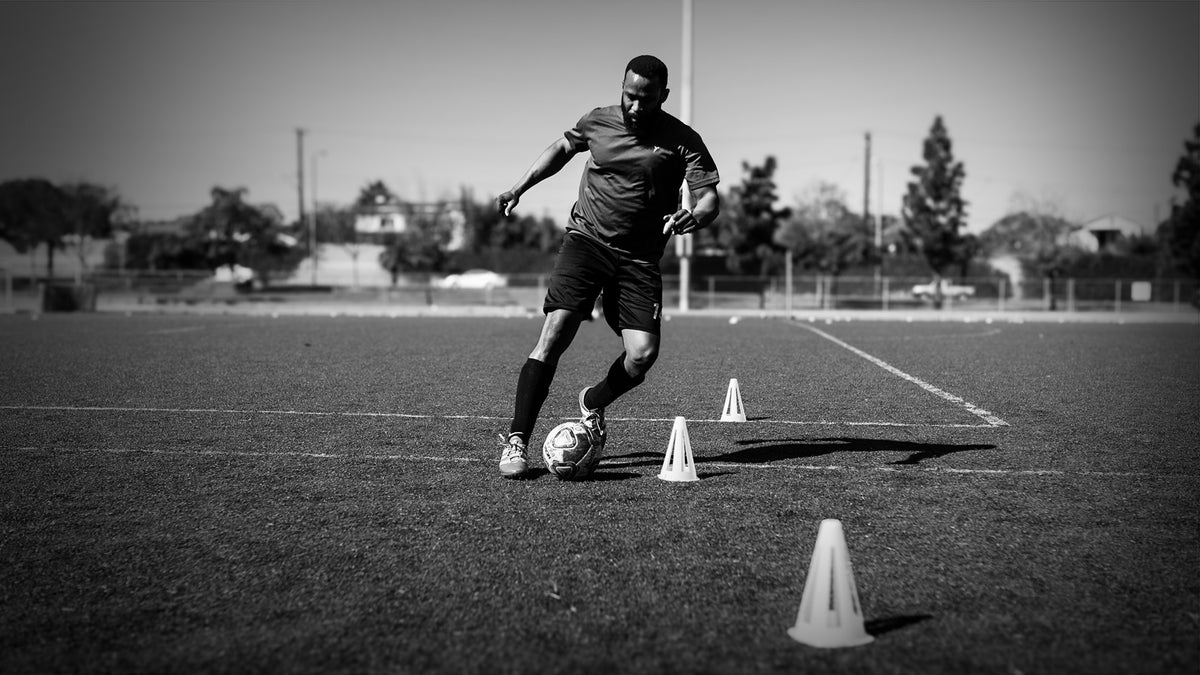
Isolated drills and subjective feedback cannot produce the density of decisions a match demands.
Performance is built across Technical Execution, Cognitive Execution and Physical Execution. All three layers are integrated to reflect real football demands.
Improving scanning, perception, decision-making speed and reaction under pressure. Goal Station integrates cognition into football actions, not as separate drills.
The neurological cycle behind match execution: perceive information, process options, react with technical accuracy. Goal Station trains this cycle at increasing difficulty levels.
A level system that increases time pressure, cognitive load, execution complexity and repeatability demand, creating a structured development pathway.
Yes. Goal Station is built as a transfer factory: training reflects real decision-making conditions under time pressure.
Yes. It aligns with elite academy methodology standards.
It scales by level, but it is positioned as elite infrastructure, not a toy or entertainment product.
See the methodology mapped to your athletes, your space and your season.