
What Is Spatial Awareness in Football? Train It Like the Pros
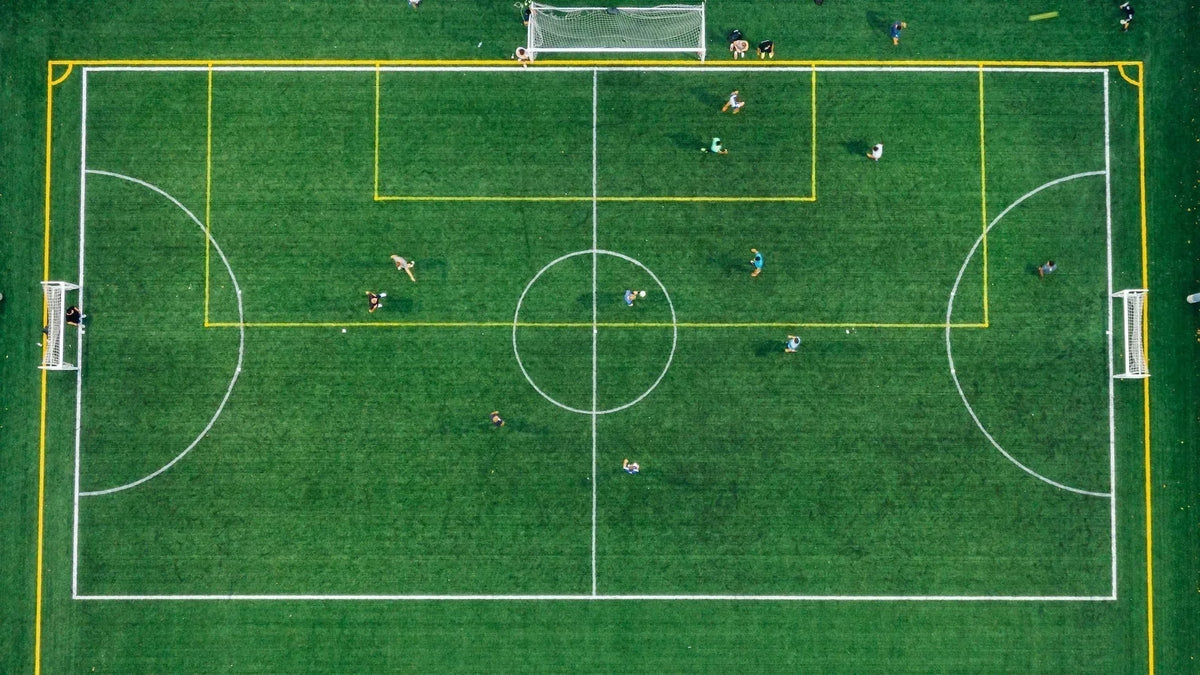
Have you ever wondered how top players always seem one step ahead?
The answer is spatial awareness—the ability to read space, track movement, and make decisions before others even react. It's not just natural talent—it’s a skill that can be trained.
“Spatial awareness is what allows athletes to anticipate, not just react. It's the foundation of high-speed decision-making.”
— Dr. Dan Wolpert, neuroscientist and movement expert, University of Cambridge

What Is Spatial Awareness in Football?
Spatial awareness is the brain’s ability to:
- Understand your position on the field
- Track teammates and opponents
- Recognize open space and danger zones
- Predict the next movement or play
It’s what allows great players to move early, control tempo, and stay composed under pressure.
Why Spatial Awareness Sets Top Players Apart
Football is fast. With strong spatial awareness, players can:
- Stay open and find space
- Make faster, smarter passes
- Track threats before they develop
- Maintain composure in high-pressure situations
“The best athletes are not the fastest or the strongest—they’re the ones who see and process space quicker than anyone else.”
— Dr. Leonard Zaichkowsky, sports psychologist & author of The Playmaker’s Advantage
Can Spatial Awareness Be Trained?
Yes. Like passing or shooting, awareness can be improved with the right drills. Traditional methods include:
- Small-sided games
- Position-specific scanning drills
- Head-up receiving under pressure
Technology from Goal Station enhances this training using light, sound, and directional cues. These simulate real match chaos and help athletes react under pressure.

3 Ways to Train Spatial Awareness
-
Scanning Drills Before Receiving
Use numbers, colors, or light cues before the pass to train head-up awareness. -
Pressure-Based Decision-Making Games
Add time pressure or sound triggers to simulate real match stress. -
360° Reactive Challenges
Train players to react to unpredictable stimuli from all directions. ROXProX is ideal for this setup.
“Spatial awareness is a trainable skill. Without it, even the best physical athletes will underperform.”
— Dr. Joan Vickers, creator of the “Quiet Eye” technique in elite sports
Conclusion
Spatial awareness is one of the most powerful—and trainable—skills in football. It helps players think faster, react smarter, and dominate the game mentally and physically.
Start building elite game IQ today with the Goal Station Methodology, the most complete cognitive training tool for players.