
Transforming Warehouses and Parking Lots into Profitable Football Facilities
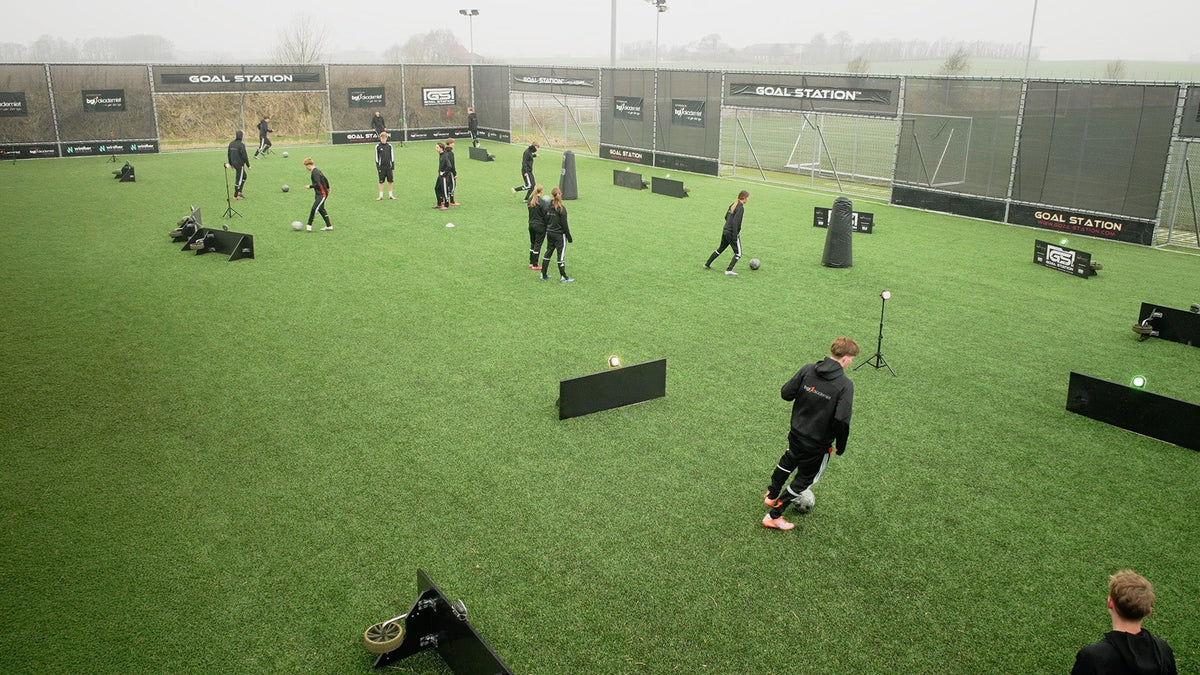
A Winning Strategy with Goal Station
In a world where urban space is limited and the demand for quality sports facilities is surging, transforming underutilized warehouses or parking lots into football centers presents an incredible business opportunity. At Goal Station, we believe that unused space is a goldmine for creating a hub of sports, community, and sustainable revenue.
By David Findlay, CGO at Goal Station.
Quick Answer: The process of converting an underused space into a football facility starts with understanding the type of play you want to host. Once the format is determined, the layout, dimensions, ceiling height, and surface type will follow. Planning the facility's operational flow and its revenue model are key steps in ensuring profitability and sustainability.
Definition: Converting warehouses and parking lots into football facilities involves reimagining a structure's purpose to meet the needs of modern football players, teams, and enthusiasts. The transformation includes designing the playing area, circulation, safety measures, and the necessary support spaces like seating, storage, and spectator zones.
Key point: The most expensive mistake when transforming a space into a football facility is focusing on the building footprint before deciding what the facility is meant to host. Without a clear understanding of the format of play, the rest of the planning becomes unnecessarily complicated and costly.
Why This Model Works So Well
1. Rising Market Demand
Whether it's for recreational games, social leagues, or specialized training, the need for adaptable indoor football facilities is growing. Learn more about the growing demand for football facilities.  Indoor facilities allow for year-round play, regardless of weather conditions — a significant value proposition.
2. Smaller, More Accessible Pitches Attract Community
The mini-pitch or 5v5 trend is booming. Modular solutions allow the adaptation of various field types, whether it's in a warehouse, parking lot, or even an outdoor space that’s been repurposed.
3. Social and Athletic Impact
Projects like those offered by Urban Soccer Park show how transforming space into football fields can:
- Positively impact the local community,
- Engage youth and families,
- Promote inclusivity by offering facilities accessible to all.
These aren’t just aesthetic points; they help drive field usage and create consistent revenue.
The Process: From Concept to Profitability
1. Define a Clear Vision
Before diving into the construction phase, you need to define your facility concept, Goal Station can help you design your football facility to meet your specific needs:
- Community mini-pitches
- League and tournament center
- Training academies
- Multi-purpose sports hubs
- Event space
Each concept dictates how you’ll optimize your space and develop your business model.
2. Design an Intelligent, Experience-Driven Space
Good design starts with the type of experience you want to deliver, not just the size of the building. Important considerations like:
- Ceiling height,
- Playing surface (e.g., high-quality synthetic turf),
- Traffic flow for players and spectators,
are critical to ensuring a smooth and safe sporting experience.
3. Use Modular Solutions to Accelerate the Project
Modular pitches, like those offered by FIFA Host Solutions or other suppliers, enable you to:
- Reduce construction time,
- Simplify permitting,
- Lower initial costs while providing professional-grade infrastructure.
This approach is especially beneficial if you need to make your facility profitable quickly and want scalability.
Building a Solid Business Model
Diversifying Revenue Streams
A profitable football facility doesn’t just rely on field rentals. Additional revenue streams include (Learn more about effective revenue strategies for football facilities):
- Regular leagues & tournaments
- Coaching programs & academies
- Corporate events and team-building activities
- Bar, retail, or concession stand
- Partnerships with local schools and clubs
These elements increase facility utilization and create steady income.
Leveraging Goal Station Tools
With Goal Station, you can optimize:
- Dynamic pricing based on demand
- Seamless online bookings
- Tailored offerings for different customer segments
- Customer engagement management and loyalty programs
These features not only maximize revenue per square meter, but also help build long-term customer loyalty.
The Community Impact: More Than Just a Sports Center
 Transforming an underutilized space into a football facility offers much more than economic benefits:
- Creation of lively community spaces,
- Opportunities for local youth,
- Partnerships with schools and community organizations.
This gives your project a strong local dimension — a key advantage that players, families, and institutional partners greatly value.
In Summary: The Keys to Success
- Understand your local market — know who will play and why
- Design for the athletic and social experience
- Use modular solutions to move fast
- Diversify revenue beyond just field rental
- Optimize management with Goal Station tools
Conclusion
Transforming a warehouse or parking lot into a profitable football facility is not just a trend — it’s a concrete, measurable business opportunity. By combining modular infrastructure, professional design, and dynamic business strategies, underutilized spaces can become highly profitable sports hubs.
With Goal Station, you get the methodology and tools to turn this vision into a sustainable reality.
Frequently Asked Questions
What is the standard size for an indoor football facility?
There is no single standard size. It depends on the format, with futsal courts at the smaller end and full indoor football fields requiring much larger footprints.
What ceiling height is needed?
For recreational use, around 5.5 to 6 metres is often the minimum. Competition environments usually need more, often in the 7 to 9 metre range.
What surface is most common?
Artificial turf is the most common choice for indoor football and training facilities. Futsal venues usually require a hard court instead.
What planning issues usually apply?
Requirements vary by location, but common issues include change of use, building regulations, noise, access, and parking.
How many pitches can fit inside one facility?
That depends on the footprint, the format, and whether the structure is clear-span. Larger unobstructed buildings make multi-pitch layouts much easier to achieve.