
How to Fill Your Indoor Football Facility: Marketing Strategies
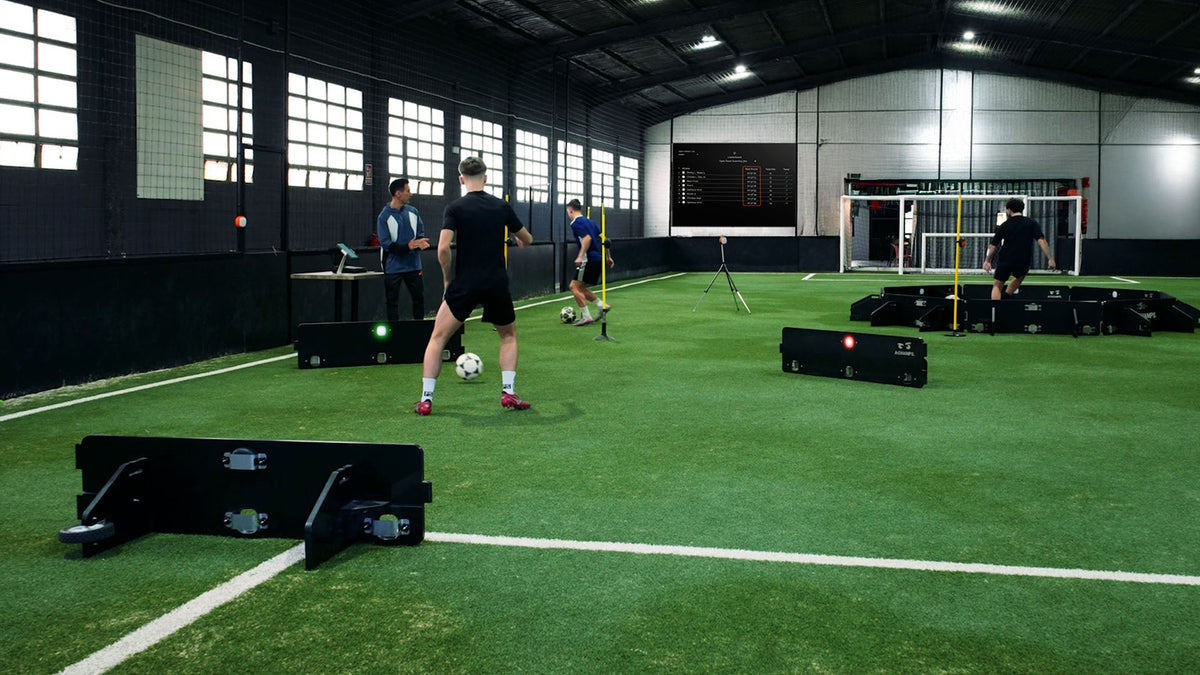
Running an indoor football facility, like Goal Station, is both rewarding and competitive. Goal Station’s unique approach to facility design and marketing has allowed it to become a leader in the indoor football industry. With a focus on cutting-edge technology, community building, and a user-centered design, Goal Station has perfected the formula for keeping its football fields consistently booked and its revenue growing.
By David Findlay, CGO at Goal Station.
Quick Answer: To successfully market and fill your indoor football facility, you need a mix of local SEO, social media engagement, pricing strategies, and partnerships. Building a structured marketing plan and leveraging digital tools are key to growing occupancy and boosting revenue.
Definition: Indoor football facility marketing refers to the strategic efforts taken to increase the visibility, engagement, and bookings of a football facility. It includes targeted digital marketing, customer retention, partnerships, event promotions, and strategic pricing plans that all aim to create a profitable and high-traffic facility.
Key point: Marketing an indoor football facility involves more than just advertising — it requires a comprehensive strategy that includes ongoing engagement, partnerships, and optimized pricing to maximize occupancy and revenue streams.
Why Marketing Starts with Understanding Your Audience
The first real decision is not how much you want to spend on ads but who you’re trying to attract to your indoor football facility. Knowing your audience is key to tailoring your marketing efforts effectively.
There are different customer segments that will shape your marketing campaigns:
- Youth Players & Clubs: Typically looking for leagues, training sessions, and tournaments.
- Adult Recreational Players: Casual players looking for fitness, fun, and community.
- Corporate Clients: These customers seek team-building events or private facility rentals for events.
- Occasional Players: People who may only book a few games per year but can be turned into repeat customers with the right offer.
Understanding these segments helps you decide which platforms, offers, and strategies will be most effective for each audience.
 Creating a Solid Marketing Plan
Once you know your audience, the next step is developing a structured marketing plan with clear objectives. These should be SMART (Specific, Measurable, Achievable, Relevant, and Time-bound) to track progress.
- Example Objective: Increase youth league sign-ups by 30% within 6 months.
- Competitor Analysis: Understand local competitors and what’s working for them. Look for service gaps and pricing strategies you can leverage.
With this structure in place, you can identify the best marketing channels and adjust your messaging to maximize impact.
Optimizing Your Online Presence: Local SEO & Content Marketing
Your website and local online presence are central to your marketing strategy. A strong digital footprint ensures customers can find your facility quickly and easily.
Local SEO should be your first priority:
- Optimize your Google My Business listing with up-to-date information.
- Incorporate city-specific keywords in your website content (e.g., “indoor football facility in [City Name]”).
- Encourage reviews to increase local credibility.
Content marketing is another powerful tool. Create blog posts, videos, and social media content that answer questions, share insights, and engage your target audience. For example, share posts about training tips, league information, and facility updates.
Smart Pricing and Revenue Diversification
Indoor football facilities benefit by diversifying their revenue streams. Offer a mix of options beyond just hourly field rentals:
- Membership Programs: Monthly or annual memberships that provide exclusive access and discounts.
- Leagues & Tournaments: Regular competitions that bring in revenue and increase foot traffic.
- Corporate Events: Rent your facility for team-building activities or private events.
Dynamic pricing, where you adjust prices based on peak and off-peak hours, is also effective for filling slots during less busy times.
Engagement through Social Media and Events
Social media is a powerful tool for attracting attention and driving bookings. Platforms like Instagram and Facebook allow you to engage with your local community and showcase your facility in action. Use the following strategies:
- Share photos and videos: Show players enjoying games, kids training, and teams competing.
- Offer special promotions: Run contests, giveaways, and promotions to attract new customers.
- Run targeted ads: Use Facebook and Instagram’s targeted advertising to reach your ideal customer base.
Hosting tournaments, leagues, and special events also keeps people coming back and fills your facility during off-peak times.
Partnerships and Collaborations
Building partnerships with local schools, football clubs, and businesses can drive significant traffic to your facility. For example:
- Partner with schools for after-school leagues or team practices.
- Work with local businesses to host corporate team-building events or employee tournaments.
- Collaborate with football clubs for practice space and tournaments.
Tracking and Optimizing Your Marketing Efforts
To keep your marketing efforts on track, regularly measure and optimize performance. Use tools like Google Analytics, social media insights, and customer feedback to track success and adjust your strategies.
- Track website traffic: See where visitors are coming from and which pages lead to bookings.
- Analyze ad performance: Determine which ads drive the most conversions and adjust accordingly.
- Survey customers: Ask how they heard about your facility and what other services they want to see.
Creating an Exceptional Customer Experience
Finally, never forget the importance of the customer experience. A great marketing strategy will bring people in, but it’s the quality of their experience that keeps them coming back.
- Provide clean and safe facilities.
- Ensure friendly and helpful staff.
- Communicate clearly and consistently with customers.
Customer retention is key, and an excellent experience leads to word-of-mouth referrals.
 Goal Station: Designing for Training Output, Not Just Fit-Out
At Goal Station, the facility design goes beyond just providing a space for football. It focuses on creating a high-performance environment for training, where every detail—from the turf to the layout—is designed to support technical skill development and seamless training flow. The integration of advanced training tools and interactive technology helps players improve their performance consistently in our training environment.
With its unique design, Goal Station ensures that every session runs efficiently, and players can engage in continuous, uninterrupted training, increasing both player satisfaction and retention.
Conclusion
To dominate your local market and keep your indoor football facility 75% full year-round, you need:
- A strategic marketing plan tailored to your audience.
- Revenue diversification with dynamic pricing.
- A strong digital presence with local SEO and content marketing.
- Partnerships and regular events that keep people coming back.
By implementing these strategies and continuously refining your approach, you’ll create a thriving indoor football facility that attracts customers and maintains high occupancy year-round.
Frequently Asked Questions
What is the standard size for a football facility?
There is no single standard size. The size of a football facility depends on the format of play and the type of events you intend to host. For outdoor football fields, a full-size pitch typically measures around 100 to 110 meters in length and 64 to 75 meters in width. Indoor facilities vary based on the type of football played, such as futsal or small-sided indoor football, with typical dimensions ranging from 25 meters to over 60 meters depending on the format.
What zoning is required for a football facility?
football facilities are often best suited for commercial, public, or recreational zoning. However, each locality may have different zoning rules, so it is important to verify whether football or recreational use is permitted on the selected property. Sometimes, a conditional use permit (CUP) or a variance may be required if the facility does not conform to the current zoning regulations.
What ceiling height is needed for an indoor football facility?
For recreational indoor football , a minimum internal ceiling clearance of 5.5 to 6 meters above the playing surface is usually required. However, for competitive environments or full indoor football arenas, a higher ceiling clearance of 7 to 9 meters is recommended. This height ensures proper ball flight, safety, and the ability to install overhead netting or other safety systems.
If you'd like to discuss how Goal Station can transform your training space, feel free to contact us to learn more.
What are the main permitting requirements for building a football facility?
Common permitting requirements for football facilities include zoning and land-use permits, building permits, fire and safety inspections, environmental reviews (for stormwater, drainage, etc.), parking and traffic studies, and permits for lighting and electrical work. It’s essential to check local regulations to ensure the project complies with all relevant rules and safety standards before beginning construction.
How long does it take to get zoning approval for a football facility?
The length of time required for zoning approval can vary depending on the complexity of the project, the local government’s review process, and whether public hearings or community notifications are required. It may take several months to secure zoning approval, especially if a conditional use permit or rezoning is necessary. Planning early and engaging with local zoning authorities can help speed up the process.
What is the cost of building a football facility?
The cost of building a football facility depends on several factors, including the size, location, and type of facility (indoor vs. outdoor). For indoor facilities, the cost can range from $1 million to $5 million or more, depending on the complexity and the specific features included (e.g., turf installation, lighting, HVAC systems, and seating). Outdoor facilities tend to have lower costs but can still range from hundreds of thousands to millions of dollars, especially if advanced infrastructure (e.g., drainage systems, parking, lighting) is required.
Do I need a separate permit for hosting events or tournaments at my football facility?
Yes, hosting events or tournaments may require additional permits beyond the basic zoning and construction permits. Depending on the scale of the event, you may need temporary event permits, including those for portable restrooms, lighting, food vendors, ticket sales, crowd control, and parking management. It is important to verify all event-specific permit requirements with local authorities.
What is the role of environmental reviews in football facility development?
Environmental reviews are required to assess potential impacts on natural resources, water management, and local ecosystems. These reviews can include studies on stormwater runoff, drainage, wetland preservation, floodplain analysis, and soil contamination. If the facility site is located in an environmentally sensitive area, more extensive studies and mitigation plans may be required.
Can I build a football facility on residential or agricultural land?
Building a football facility on residential or agricultural land can be challenging due to zoning restrictions, traffic concerns, and potential neighborhood opposition. In many cases, a conditional use permit, variance, or rezoning application is required to convert the property for recreational use. Local authorities will consider factors such as noise, lighting, traffic, and environmental impact before granting approval.
How can I ensure my football facility design complies with safety regulations?
To ensure compliance with safety regulations, it is essential to follow national and local building codes, fire codes, and accessibility standards. This includes ensuring proper exit routes, fire suppression systems, appropriate lighting levels, ADA accessibility, and structural integrity. Working with professional architects and engineers who specialize in sports facility design can help ensure that the facility meets all required safety standards.