
Fun football games for kids
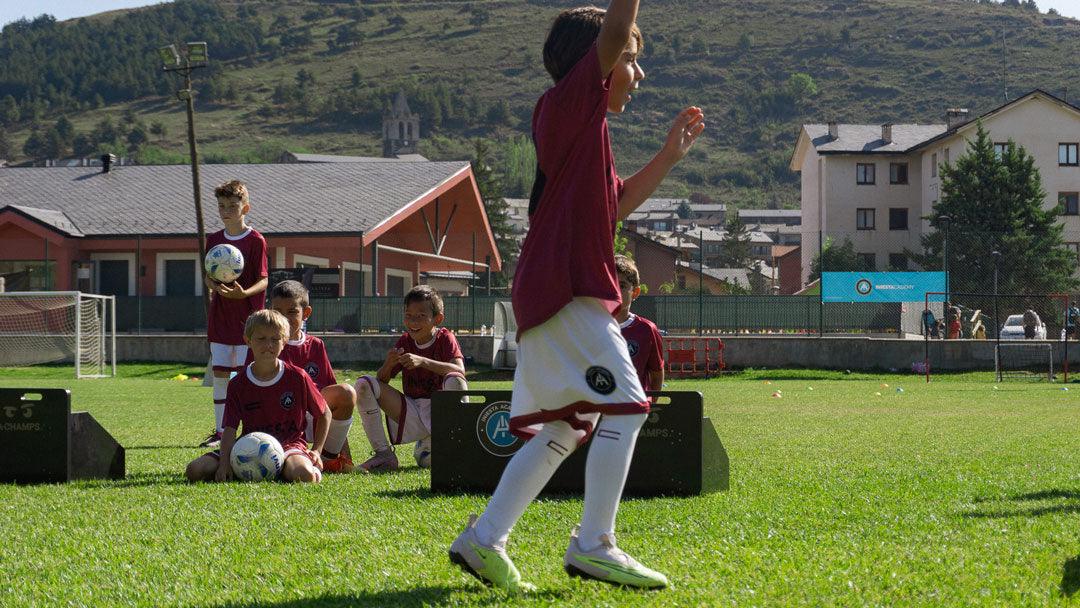
The world of youth football in the United States is not just about learning the fundamentals of the game; it's about having fun while doing it. Fun football games for kids provide the foundation for an enduring love for the sport, promoting physical activity, teamwork, and personal growth. Whether kids are staying active through drills, or simply enjoying themselves on the playing area, the key is joy and engagement.
In this comprehensive exploration, we will delve deeper into the key factors that influence fun football games, their myriad advantages and the critical role of informed decision-making. Whether you're a coach, a parent, or a football enthusiast, this article aims to provide valuable insights into making football a delightful experience for children—from the moment the coach calls instructions to when the players start running and kicking their balls around the field.
Youth football drills core influencing factors
- Age-appropriate drills: Age is a pivotal factor in designing effective fun football games. Youth football drills should align with the developmental stage of the players. For younger kids, games like Red Light Green Light with the football ball can help them learn to dribble the ball while still having fun. (See US Youth Football guidelines for more age-based activities.)
- Skill levels: Youth football teams often comprise players with varying skill levels. The challenge lies in tailoring drills so that beginners can learn how players dribble effectively while advanced players can try more challenging variations like moving in tighter spaces or practicing how to steal the balls from teammates in controlled games.
- Game variations: Injecting creativity into football practices, coaches can incorporate various game variations. Titles like "Sharks and Minnows," "Capture the Flag," or ball-control challenges where kids focus on kicking their balls accurately across the playing area introduce elements of excitement and competition while imparting essential football skills in a fun and engaging manner.
- Small-sided matches: A commonly favored approach in fun football games is the use of small-sided matches, where teams have fewer players. This format ensures more touches on the ball for each participant, enhancing decision-making, encouraging kids to dribble the ball, and nurturing creativity, thus making the game considerably more enjoyable. (Learn more from FIFA’s perspective on small-sided games.)
Advantages of fun football games
The journey to making football fun and educational is multifaceted, and these are some of the advantages:
- Skill development: Fun football games foster skill development by motivating children to practice more frequently and enthusiastically. Games like Red Light Green Light teach control, while steal the balls challenges encourage quick thinking and agility.
- Social interaction: Team-based games encourage camaraderie, teamwork, and communication among players, especially when the coach calls out commands and the kids respond together.
- Long-term engagement: Positive experiences on the football field—whether through dribbling challenges, kicking their balls, or small matches—make kids more likely to stay committed to the sport throughout their lives. (Positive Coaching Alliance explores how fun and motivation foster lifelong sports participation.)
Challenges in the pursuit of fun
- Striking the balance: Coaches must skillfully navigate the fine line between ensuring fun and facilitating skill development, making sure that when players start activities, they both learn and enjoy.
- Performance pressure: Some young athletes may feel under pressure to excel in kids football drills, which can undermine their enjoyment.
- Diverse interests: Children have varying interests and motivations, making it challenging to cater to everyone's needs. Incorporating playful games like steal the balls or Red Light Green Light can help capture broader attention.
Constructive feedback as a basic part of fun football games
Feedback plays a pivotal role in the development of young athletes. Constructive feedback from coaches and parents can help children understand their strengths and areas for improvement. Whether it’s praising how well players dribble or encouraging better ball control when they kick their balls, guidance should focus on effort and progress. (See more on the art of giving kids feedback.)
The role of innovative tools in youth football
In the realm of youth football, innovative tools bring a new dimension to training. For instance, our football rebounder board is an excellent example of how technology can be leveraged to make practice more fun and effective. This tool allows for a variety of drills that can be performed individually or in groups—whether practicing how to dribble the ball, pass under pressure, or shoot more accurately.
Another great innovation is the use of reaction training lights, which turn basic drills into interactive challenges that boost focus, reaction speed, and engagement for young players.
The pinnacle of informed decisions
The foundation of successful fun football games for kids lies in informed decision-making. Coaches and parents must conscientiously consider factors such as age, skill levels, and preferences when planning sessions. By mixing structured drills with engaging games like steal the balls or Red Light Green Light, kids thrive in an environment that blends skill-building and joy.
Conclusion
Fun football games for kids are an indispensable facet of youth sports development in the United States. These games are not just about teaching football; they are about nurturing a lifelong passion for the sport. When the coach calls the next drill and players start with smiles on their faces, you know the session is a success.
By tailoring youth football drills according to age, skill levels, and interests, coaches and parents can craft an environment where children relish every moment on the football field. Striking a harmonious balance between fun and skill development, combined with informed decision-making, is the key to cultivating the next generation of football enthusiasts who will carry the sport forward with love and enthusiasm.